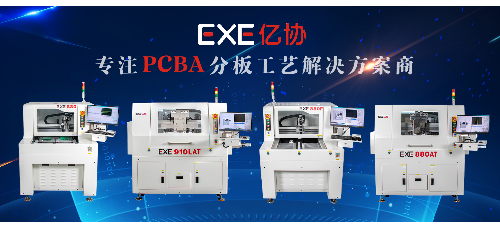
PCB router machine is a high-efficiency, high-precision depaneling device widely used in SMT production lines. It separates assembled PCB panels into individual units through high-speed milling cutters, with stable performance and strong flexibility, making it an essential device for modern electronics manufacturing.
Key Features
High processing flexibilitySupports curved, irregular, and multi-shape PCB separation, not limited to straight lines.
High precision & good cutting qualityEquipped with positioning systems to ensure consistent size and minimize burrs.
Controllable mechanical stressReduces damage to components, solder joints, and thin boards compared with manual breaking.
Automatic & intelligent operationSupports program editing, automatic tool changing, vision positioning, and online linking with SMT lines.
Wide material adaptabilitySuitable for rigid PCBs, FR‑4, aluminum substrates, and thin-core boards.
High stability & easy maintenanceDesigned for long-term mass production, with low failure rate and simple tool replacement.
Applications in SMT Production Lines
Medium to high complexity PCB depanelingIdeal for panels with irregular shapes or dense components.
Post-reflow PCB separationSafely processes assembled boards without damaging mounted components.
Mass production & automated linesUsed in inline SMT lines to connect printing, mounting, and reflow processes.
Consumer electronics, automotive, industrial controlsWidely applied in mobile products, automotive electronics, drives, and control modules.
Low to medium volume production with frequent model changesPrograms can be quickly adjusted for different products.
Conclusion
PCB router machine provides an efficient, stable, and flexible depaneling solution for SMT lines. It effectively improves production efficiency, ensures product quality, and reduces defects, making it core equipment for modern SMT and electronics manufacturing.